Growing Our Own Medicine: Why Fruits and Veggies are a Gardener’s Best Prescription
If you’ve been following along with me on social media, you know my August was a bit of a circus. Between the blistering Alabama heat, a little drought, and taking some much-needed vacation time, my garden got away from me. I’ve spent the last few weeks playing catch-up with the weeds and reclaiming my patch. But as we step into September, I’m looking forward to a fresh start by planting my fall vegetables. There is nothing like getting some cool-weather greens and root crops in the ground to make a guy feel brand new. Collard greens, broccoli, and cabbage—those are just a few examples of fall vegetables that’ll carry us right through the cooler months.
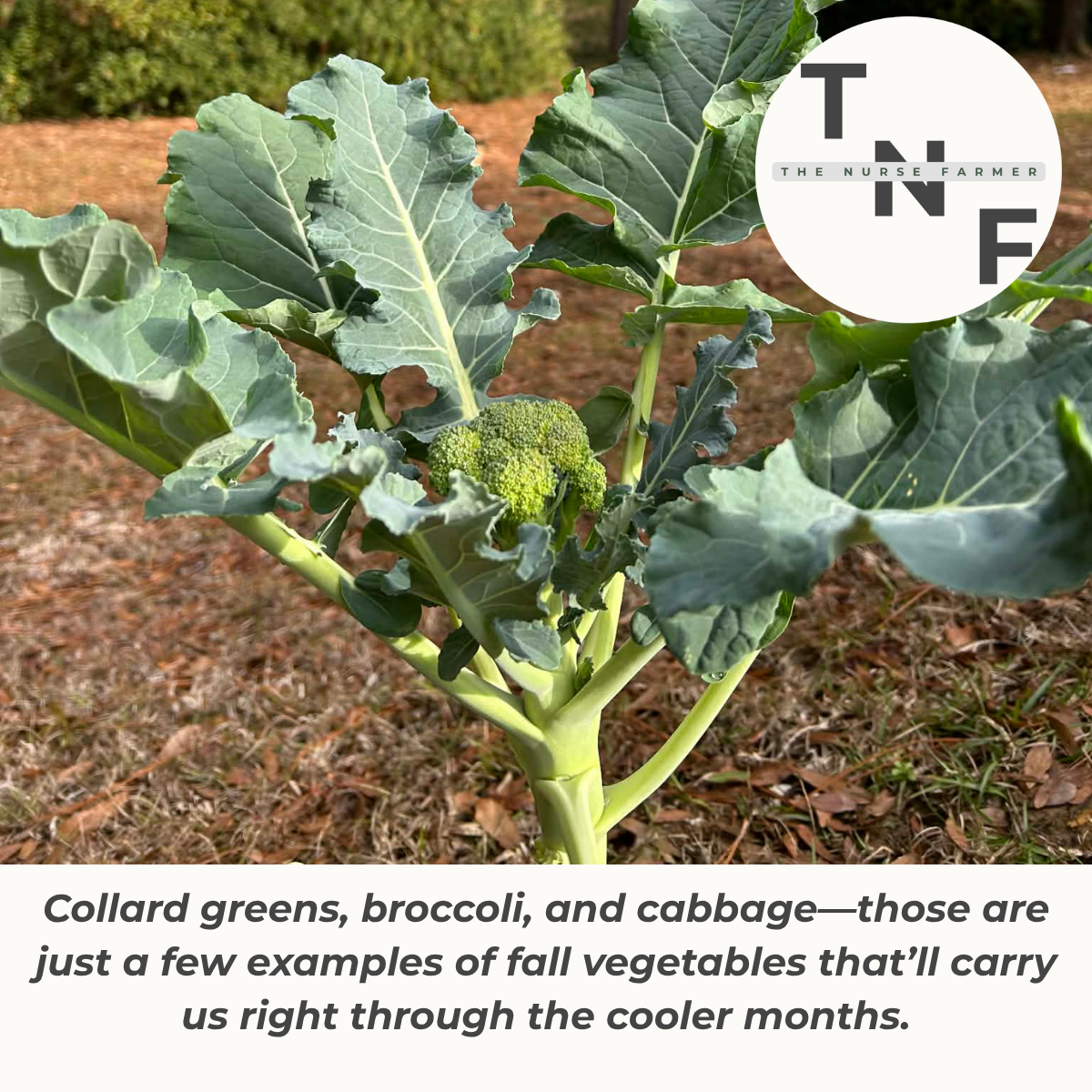
This broccoli I grew in a large pot proves that adaptations, such as container growing, can yield wonderful, productive results!
And speaking of September, did you know it’s National Fruits and Veggies Month?
Now, don't get me wrong, that’s a wonderful thing. But as a nurse and a farmer, I reckon every month should be fruits and veggies month, and every single day should be a fruit and veggie day. Getting our daily servings of fresh produce is one of the absolute best things we can do for our health—and this is especially true for us as we get a little older.
Why Our Bodies Need the Good Stuff Now More Than Ever
As we cross over into our golden years, our bodies start to slow down a bit. Our metabolism drags its feet, meaning we don’t need quite as many daily calories as we used to. However—and here is the nurse in me talking—our need for vitamins and minerals stays the same, and in some cases, actually goes up!
That’s where fruits and vegetables come in. They are what we call "nutrient-dense". That’s just a fancy way of saying they pack a massive punch of vitamins, minerals, and good stuff without overloading us on calories.
Here are just a few ways that filling your plate with garden-fresh produce acts like a natural prescription for your health:
Keeping Things Moving: Let’s be honest, neighbors—as we age, our digestive systems can get a little sluggish. This can lead to uncomfortable constipation, which is often made worse by some of the daily medications we have to take. Fresh fruits and vegetables are full of natural fiber that keeps our digestive systems working efficiently.
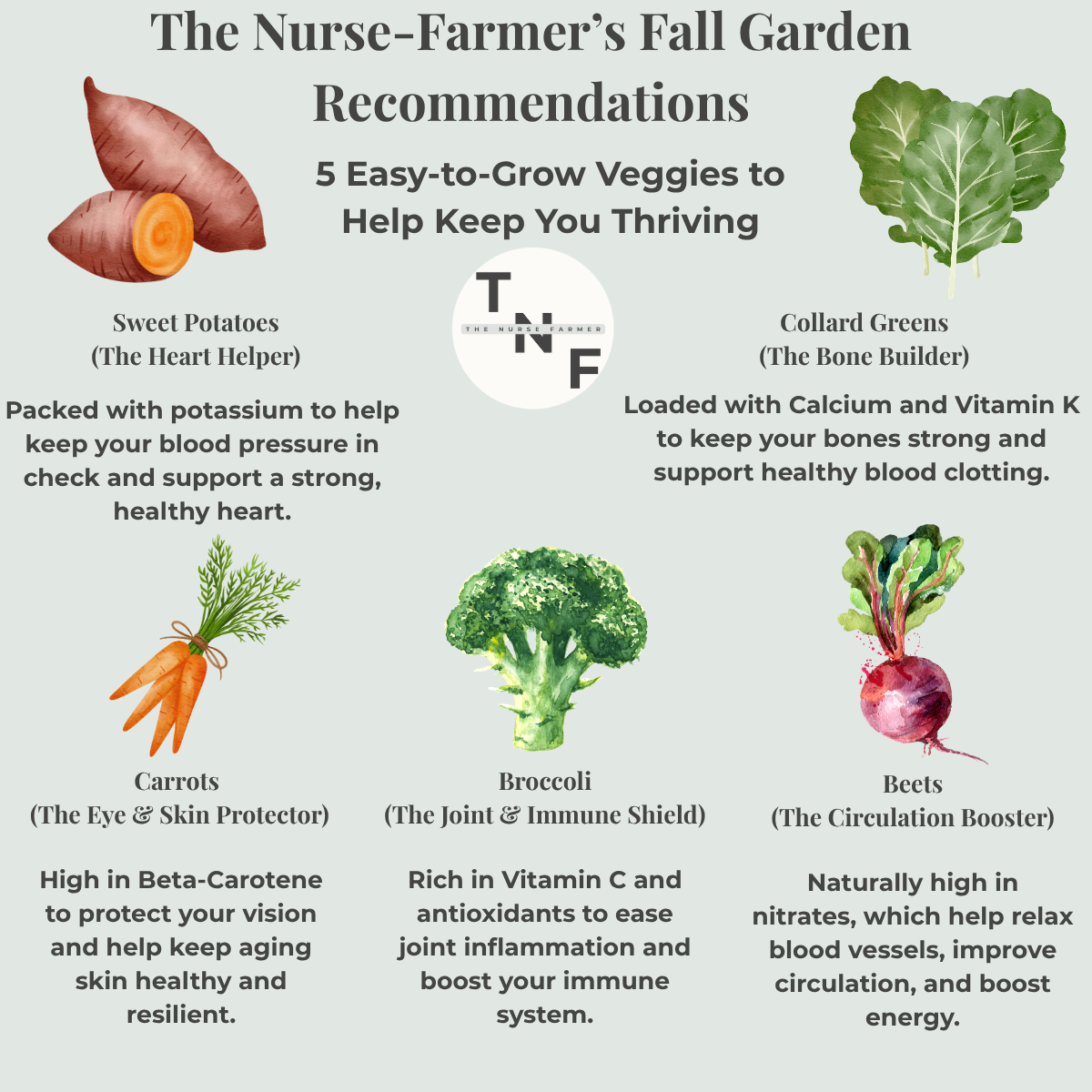
Protecting Our Hearts and Heads: Many of us are managing chronic conditions like high blood pressure, diabetes, or the risk of stroke and cancer. Eating a rainbow of produce helps lower these risks. For instance, those dark, leafy greens we love to grow down here in Alabama, are loaded with vitamins and iron.
A Natural Dose of Potassium: Potassium is a mighty nutrient that supports a strong, healthy heart. You don't have to look far to find it, either—it’s packed inside cantaloupe, regular potatoes, and my personal favorite, sweet potatoes!
Easy on the Teeth: I know many folks in our age group deal with dental issues or dentures, making tough, crunchy foods hard to manage. But don't let that stop you! Soft, gently steamed vegetables are easy to chew, easy to digest, and just as healthy for you. And don't forget about sweet, juicy fruits like watermelon—that soft, porous flesh is as easy on the teeth as it gets, and it’s a wonderful, hydrating treat on a warm September afternoon.
The Garden Connection
Here is the beautiful part of the story: research shows that older adults who get out there and grow their own fruits and vegetables are much more likely to actually eat them. There’s just something about planting a seed, tending to it, and harvesting it with your own two hands that makes it taste a whole lot better.
Major health organizations, like the American Heart Association and the American Diabetes Association, recommend that we eat at least 2 to 3 cups of vegetables every day. In fact, a major study published by the American Heart Association tracked over two million people and found that folks who ate five servings of fruits and vegetables a day actually had a lower risk of dying from chronic illnesses. That is real science telling us what our grandmothers always knew: the food we put on our plates matters.
This National Fruits and Veggies Month, let’s remember that growing our own food isn’t just a peaceful hobby to keep us busy. It’s a natural prescription for a longer, stronger, and happier life.
So, what’s growing in your garden patch this month? What’s your favorite way to cook up your harvest? Drop a comment on my social media and let me know—I love hearing from y'all!
Until next time, let's keep Gardening, Creating, and Thriving Together.
Nurse’s Orders: Just a quick reminder, friends: while eating more fruits and veggies is wonderful for most folks, some chronic conditions (like kidney disease) require you to watch your intake of certain nutrients like potassium. Always have a good chat with your primary healthcare provider before making any big changes to your diet or physical routine!
